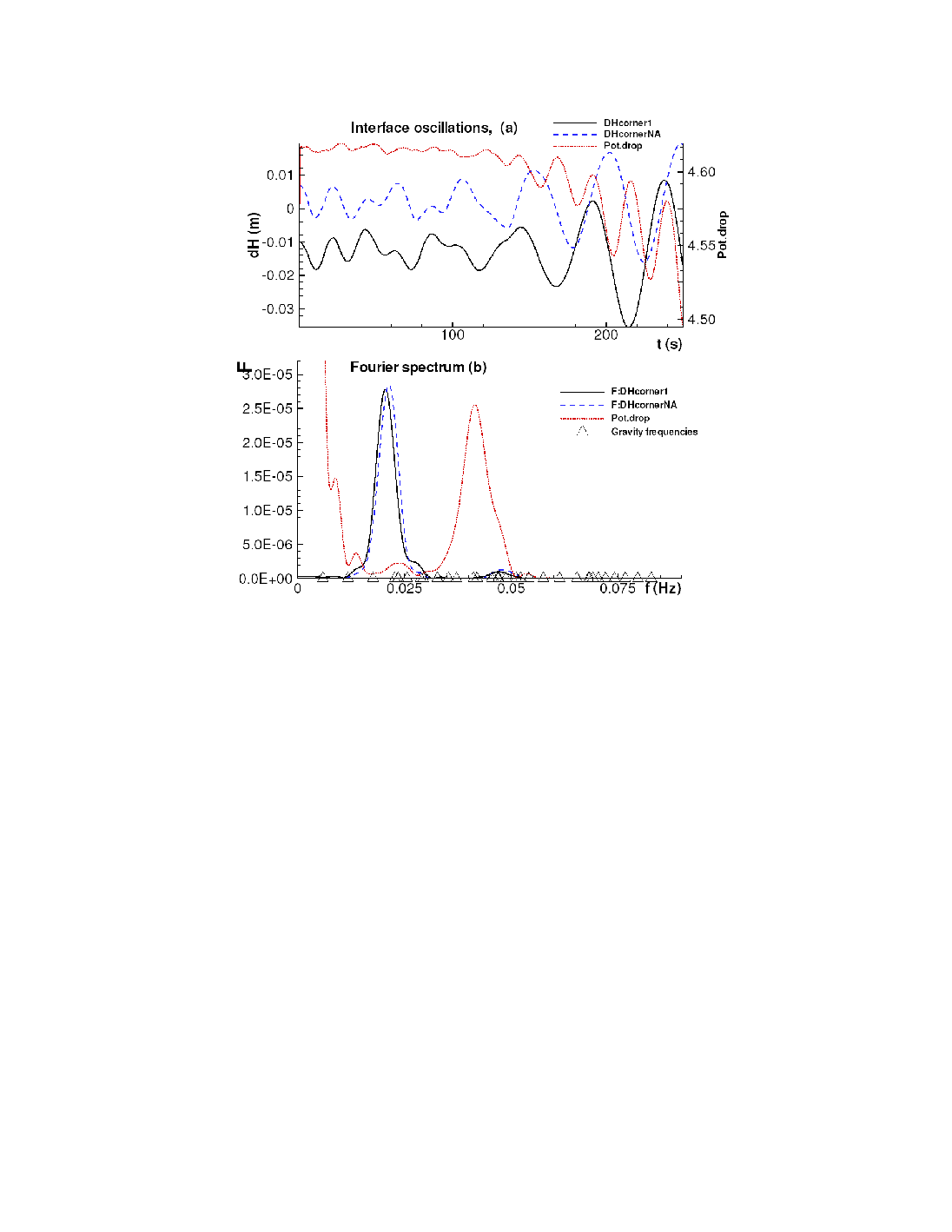
Figure 23: MHD-Valdis model liquid metal pad and cell voltage oscillation
CONCLUSIONS
It has been demonstrated that, despite the fact that it is solving the metal pad
current density field in only a few CPU seconds, MHD-Valdis is obtaining very similar
metal pad current density results as those obtained by much more detailed but much more
CPU demanding ANSYS® models.
The negative impact of horizontal current in the metal pad on the cell stability is
highlighted in both the metal pad thickness and the ledge thickness change examples.
Those extra examples of practical applications in addition to the ones presented
previously in [1,4,7,8] continue to demonstrate the usefulness and convenience of using
MHD-Valdis as MHD non-linear cell stability analysis tool to carry out a new cell design
study or a cell retrofit study.